Life with Psoriasis

psoriasis q + a: what it’s like living with psoriasis/psoriatic arthritis

Lately, as I’ve been writing more blog posts and trying to find others with psoriasis to connect with, I’ve been wondering if there was anyone who wanted to learn about psoriasis? I am always more than happy to provide my experiences on treatment, mental health, and my journey. But, I was beginning to feel like maybe I wasn’t answering the questions that those without psoriasis wanted to know. Luckily, Unwanted Life guided me, and gave me questions to answer to bring awareness to psoriasis + psoriatic arthritis! Thank you so much for this. 🙂

What’s the difference between having really bad dry skin problems and psoriasis?

The biggest difference is that psoriasis causes your immune system to weaken, whereas dry skin can just be caused from the soap you’re using, your environment, your diet, and stress levels. Dry skin may cause a little bit of flaking and minor pain. Dry skin is relatively the same across the board. With psoriasis, there are different types that all vary in levels of pain, treatment, and damage to the skin.

What are the different kinds of psoriasis and how can they affect you?

There are several different types of psoriasis! Just so I don’t share any incorrect information, here are the definitions as stated on The National Psoriasis Foundation website (psoriasis.org)!

  • Guttate Psoriasis:

Guttate psoriasis appears as small, round spots called papules [PAP-yules] that are raised and sometimes scaly. Guttate lesions usually appear on the arms, legs and torso, with rare cases forming in the scalp, face and ears.

Guttate psoriasis often develops suddenly and may appear after an infection like strep throat. It is a good idea to consult with your health care specialist to be checked for strep throat if you have guttate psoriasis, as that infection can occur without any obvious symptoms.

  • Inverse Psoriasis:

Inverse psoriasis (also known as intertriginous psoriasis) shows up as very red lesions in body folds. It may appear smooth and shiny. Many people have another type of psoriasis elsewhere on the body at the same time.

Inverse psoriasis is found in the armpits, groin, under the breasts and in other skin folds on the body.It is particularly subject to irritation from rubbing and sweating because of its location in skin folds and tender areas. It usually lacks the scale associated with plaque psoriasis due to the moist environment. It is more common in overweight people and people with deep skin folds.

  • Pustular Psoriasis

Pustular [PUHS-choo-lar] psoriasis is characterized by white pustules (blisters of noninfectious pus) surrounded by red skin. The pus consists of white blood cells. It is not an infection, nor is it contagious.

Pustular psoriasis is primarily seen in adults. It may be limited to certain areas of the body — for example, the hands and feet. Generalized pustular psoriasis also can cover most of the body. It tends to go in a cycle with reddening of the skin followed by pustules and scaling.

  • Erythrodermic Psoriasis

Erythrodermic [eh-REETH-ro-der-mik] psoriasis is a particularly inflammatory form of psoriasis that often affects most of the body surface. It may occur in association with von Zumbusch pustular psoriasis. It is a rare type of psoriasis, occurring once or more during the lifetime of 3 percent of people who have psoriasis. It generally appears on people who have unstable plaque psoriasis. This means the lesions are not clearly defined. Widespread, fiery redness and exfoliation of the skin characterize this form. Severe itching and pain often accompanies it.

What treatments are available for the different kinds of psoriasis?

Quite a few treatment options are available, such as injections, oral medications, topical creams, and even light therapy (phototherapy). I have only ever used topical creams and taken pain medication for my inverse + guttate psoriasis. Treatments like phototherapy or injections are incredibly expensive, and unfortunately, I am unable to afford them even with insurance. I know that both of these treatments have to be administered by a doctor, which require weekly or bi-weekly visits. There are phototherapy kits on Amazon to use as a home remedy, but I would recommend having a doctor administer the treatments in a medical setting.

Which moisturisers do you recommend for the dry skin psoriasis sufferers?

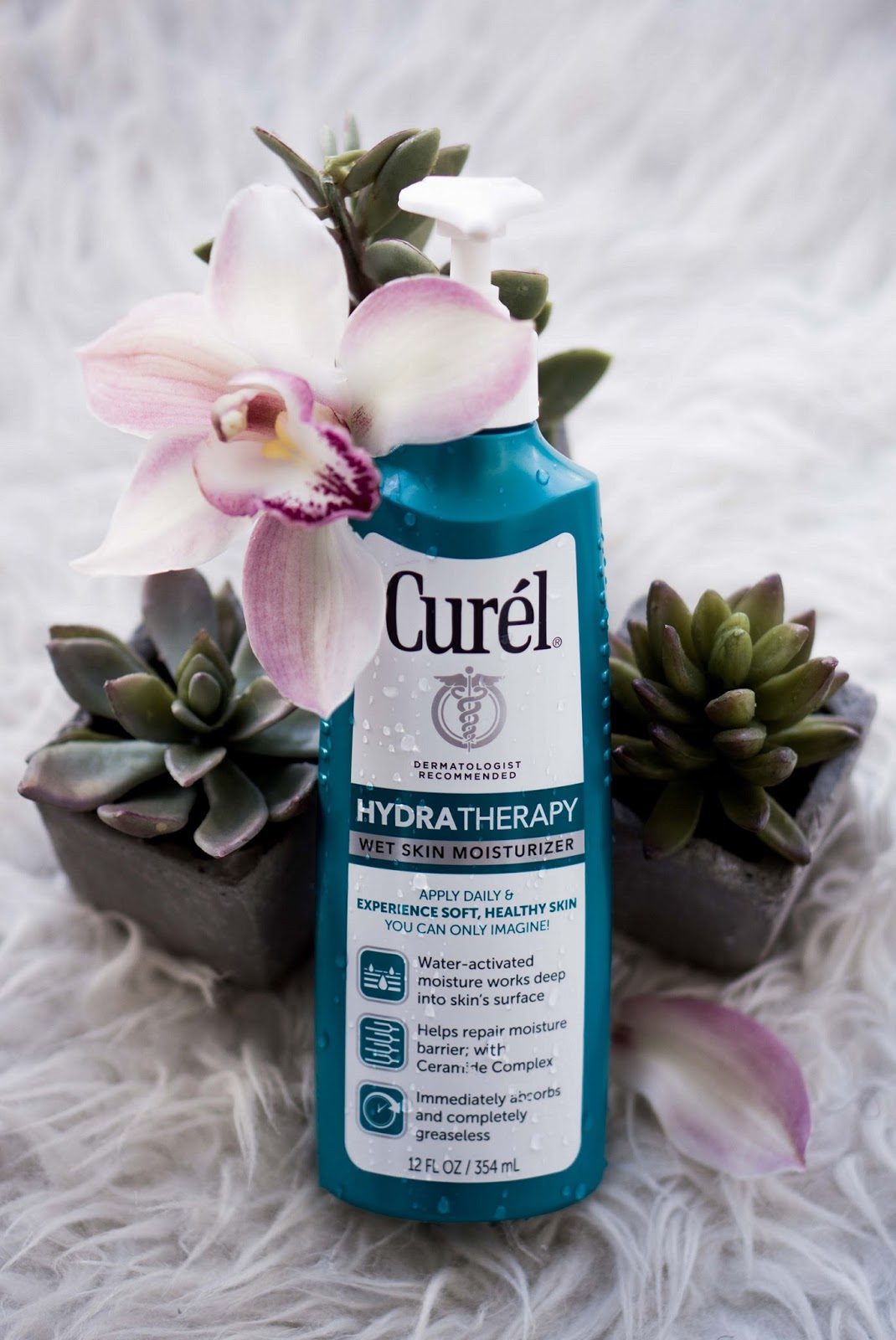
A few posts ago, I mentioned the wonders that the Curel Hydratherapy Wet Skin Moisturizer did for my skin (see how i saved my psoriatic skin). MG217 Medicated Multi-Symptom Coal Tar Ointment, MG217® Medicated Conditioning Coal Tar Shampoo, and Psoriasin Deep Moisturizing Ointment . (MG217 is approved by The National Psoriasis Foundation! My Patient Navigator Emma sent me several samples from this brand!) Anything with coal tar in it is extremely effective in relieving psoriasis symptoms. I’ve had complete healing from lesions and “holes” left from guttate psoriasis. However, it is very potent in both color and smell. Coal tar will stain your clothing, bedding, and skin a greenish-yellow tint. It has spread across my clothing, leaving trails of yellow streaks on white clothing in particular. If you use any of these topical creams, be sure to wear dark clothing!

And would they work for people who just have really bad dry skin?

Possibly! Though, it may be too strong for those who have mild dry skin.

How has having psoriasis affected your mental wellbeing?

In my last post psoriasis confidence?: i’m still not comfortable with my body, I gave sort of an in-depth account of how psoriasis caused my self-confidence to plummet and even affected my perception of myself as a woman. It has mostly affected my mental state in negative ways, causing me to have a low-self esteem. I’m still on the journey to accepting my body, but on more days than not, it’s hard.

What has helped you with your mental health recovery with tackling your psoriasis?

Talking about it with people who will listen has been the most effective method to helping me recover mentally. Sometimes, even if people don’t listen, I still talk about it anyway, just so it doesn’t fester in my mind and cause a panic attack. I’ve also begun riding my bike to relieve stress and actually, this is good for when you have arthritis, because it keeps your joints moving. Yet, I’ve also found that spending time alone has provided positive and negative outcomes in healing. For example, sometimes I like to be alone where I can read and be under my heating blanket in the quiet. But other times, I need to be around people because I don’t feel safe with being alone. Overall, just talking about it and finding a community online has begun to help me.

Is psoriasis something you’re born with, like a genetic disease, or is it something that can affect anyone?

I was not born with psoriasis, but it is a genetic disorder! I formed psoriasis after years of stress and anxiety, which was enhanced by a poor diet and lack of nutrition when I studied abroad in Hong Kong. I did have “eczema” as a kid, but looking back, I think it might’ve been a children’s form of psoriasis. But I’m not too sure.

What coping strategies do you have that you find affective for living with psoriasis, so that other suffers can benefit by using them for themselves?

  • Having open discussions with friends and family
  • Researching online everything you can so it’s not as scary
  • Reaching out to NPF because they have a reassuring and kind social media team that answers any questions you have, any time you have them
  • Speaking with a trusted doctor and being honest about your mental health
  • Looking for online support groups/others who have psoriasis
  • Watching YouTube videos online about how others cope, and listening to their stories
  • Be willing to try different methods of healing (topical creams, phototherapy, counseling for mental health, medication, meditation) and do not give up if a cream or medication doesn’t work. It took me about 2 years months to find an effective treatment!

Thank you to anyone who got this far in the post! I know it’s a bit long, but I wanted to answer the questions to my best ability. Thank you again to Unwanted Life for DM’ing me these really thoughtful questions. (Go ahead and give their blog and Twitter a follow too! They’re really supportive! 🙂 )I hope this helped you, and please don’t hesitate to reach out to either me or NPF with anything that you need.

Healing from psoriasis is possible. Just talk about it. Raise awareness. Try everything. You are not alone! 🙂

Love always,

-TPC

Twitter

Pinterest

Standard
Life with Psoriasis, Mental Health

psoriasis confidence?: i’m still not comfortable with my body

It’s been hard to admit, but I’m still not comfortable with my body.

I still am not content with how I look.

And trying to heal from the scars it leaves behind had been a long journey that I’m still on.

my hand.

This is my hand. I took this photo a little over a year ago. I don’t know if it’s too noticeable, but here (spring 2018) I was already showing the early signs of psoriasis. However, I was misdiagnosed by a doctor, who called it “neurotic excoriations.”

My hands would be covered in these itchy and burning patches that would bring searing pain every time I washed my hands. Then it started spreading up my arms, across my chest, and then down to my legs. At the worst point, I was unable to shower, go outside, and then later…wear clothes.

With psoriasis came hyperpigmentation, skin splitting, and lacerations. From around late fall of last year to early spring of this year (and even now), I didn’t know what it was like to feel pretty. I avoided looking in the mirror. When I did, all I’d see were my dry patches and flakes. Once the lacerations healed, I was left with dark scarring on my back, arms, and legs from the damage psoriasis had caused. I’d wear hats and hoodies every day to cover up my body. I felt ugly, and still do–even to this day. My body confidence has never been high. I’ve always felt I was subpar to the other girls in school. I tried to change myself (see my self image story) to make myself like other girls.

I wasn’t going on dates. I wasn’t hanging out with friends. In high school, I spent a lot of time alone, with my self-depricating thoughts about how I looked. When I was diagnosed with psoriasis, everything heightened. I beat myself up for letting the stress get to me. I blamed myself for forming psoriasis, cursing my body and asking God why He placed me in my own mold. Last semester, I determined that I would fit better in with male friend groups. I struggled with dissociating from my female identity because I didn’t think I was worthy enough to “be a woman”. I wore baggy clothes and a backwards hat every day for entire spring semester, because I didn’t think I was worthy enough to be feminine. (Mental health is an interesting thing, and I’ve never spoken about my dissociation from my female identity until now.)

I don’t think I’ll ever be as comfortable with my body. When I asked The National Psoriasis Foundation about how to cope with the scarring, they said, “time.” Right now, time is all I really have. I try to keep my skin as moiturized, but I can’t help the flashbacks I get when I look down at my skin and am reminded of the days where I’d lie in my bed and my skin felt as if I was on fire, not knowing if I’d make it to see the next day.

There was a beacon of hope when Kim Kardashian West released body makeup, and showed the amount of coverage the foundation provided, especially for people with psoriasis. Kardashian West has struggled with psoriasis for years, often speaking on her struggles, but sharing how she’s now accepted it. I was interested in buying this foundation. But then I wondered if it would really help me gain confidence…if I was just covering up the scarring, without accepting it first?

While I haven’t fully accepted my body or come to terms with it, but I know that there’s a potential to get there.

Thank you all for encouraging me to write this. Comment below what you link about KKW’s “pro-psoriasis” foundation! *Also, do you guys like my new logo??*

Love always,

-TPC

Twitter

Pinterest

Standard
Life with Psoriasis, Mental Health

how i saved my psoriatic skin | coping with psoriasis

I can’t help but to get a little emotional when I think back over how much my skin has improved since I first noticed symptoms of psoriasis back in the fall of 2017. I’ve come a long way. Now, almost two years later, I feel like I’m in control, and I’m proud of myself from the progress I’ve made. The first step in coping with both chronic and mental illness is to give yourself a routine and know what works best for you. Routines can be calming in that you can control some aspect of your daily life. For me, routines provide a sense of relief and independence. Here are four things that saved my psoriatic skin:

The National Psoriasis Foundation

I cannot thank The National Psoriasis Foundation enough for providing me a source of support through one of my darkest moments. After a coworker told me that I had psoriasis (before I was clinically diagnosed), I immediately researched it and tried to find as many answers as I could.

Luckily, I stumbled across The National Psoriasis Foundation. I was matched with a “Patient Navigator” named Emma, who I’d email frequently to help figure out how to cope with my psoriasis. Around this time, I’d been developing guttate psoriasis alongside inverse psoriasis. Guttate psoriasis create small holes onto the skin that are basically open sores. This one is sort of terrifying to have scattered all over your body. However, the inverse psoriasis was the most pain I’ve ever experienced, as inflammation is on the inside of the skin, causing the skin to be sensitive to the touch. It felt as if an iron was always pressed against my skin.

Fortunately, Emma provided a warm reassurance that my psoriasis journey had just begun and that healing was possible. As a way to kickstart the healing process, she sent me samples of products catered specifically for psoriatic skin. These products lasted through my winter break and helped ease the symptoms. Psoriasis slowly began to feel like something I could conquer.

Also during that winter break, NPF invited me to Boston to attend the lighting of the Prudential Center. I met others who were just like me, finding their way through psoriasis and psoriatic arthritis. I was even asked to speak at the event! Having a strong support system eased my anxiety and fear that I used to have about my psoriasis!

Curel Hydratherapy Wet Skin Moisturizer

Photo by OhToBeAMuse

I don’t know where I would be without this product. This was in the sample pack that Emma sent me. During the worst flares, I couldn’t shower. My skin would immediately dry in water, causing my skin to burn and split open. I was using products (with CBD oils) that I thought would soothe my skin. When in reality, I was doing just the opposite. I’ll never forget my first shower with this. I was almost brought to tears as my skin began to smoothe again. I’ve been using this since late December and haven’t had an issue with it. It’s activated by water, so you don’t dry yourself before putting it on. After using it for six months, my psoriasis has completely cleared. I fully recommend this (even if you have ezcema or dry skin).

Mario Badescu Sprays

Unsplash

Mario Badescu saved my skin. I’ve used all three “colors”, however for psoriatic skin I found that the green tea one was the most effective in clearing dry patches and redness. I also started spraying this in my hair every day, and found that it eased the uncomfortable sores and scalp flaking that I used to be so embarrassed about. Now, I have little to no flaking when I brush my hair. Whereas before, it used to snow whenever I ran a brush through my scalp. It may not sound like a big deal, but it was unnerving and I became anxiously self-conscious whenever I’d scratch my scalp in class, and leave behind piles of dry skin.

Unsplash

drinking water + changing my diet

It may sound a bit juvenile, but drinking water daily did wonders for my skin. Before I was diagnosed, because I was in a foreign country and having a nut allergy meant I was limited to eating what I knew: McDonald’s. It was convenient and relatively inexpensive. There were two McDonald’s on campus that I’d always go to for a quick meal. But in doing so, I was poisoning myself with the grease and only inflaming my skin more. Now, I don’t eat fast food as much. Instead, I trade fries for a fruit smoothie for a snack and drink plenty of water throughout the day. It may be annoying to constantly drink water, but trust me, it flushes out the toxins that will cause you to flare up. It’s essential!

These are my top four things that truly saved my skin. It hasn’t been an easy or quick journey in the least. I don’t know if people know this, but a side effect of psoriasis is actually anxiety and/or depression. I can second that. If you’d like to see a post about how I coped mentally with my psoriasis, let me know! (Skin-positive post coming soon. Thank you all so much for telling me it’s something you’d check out!)

Love always,

-TPC

Twitter

Pinterest

Standard